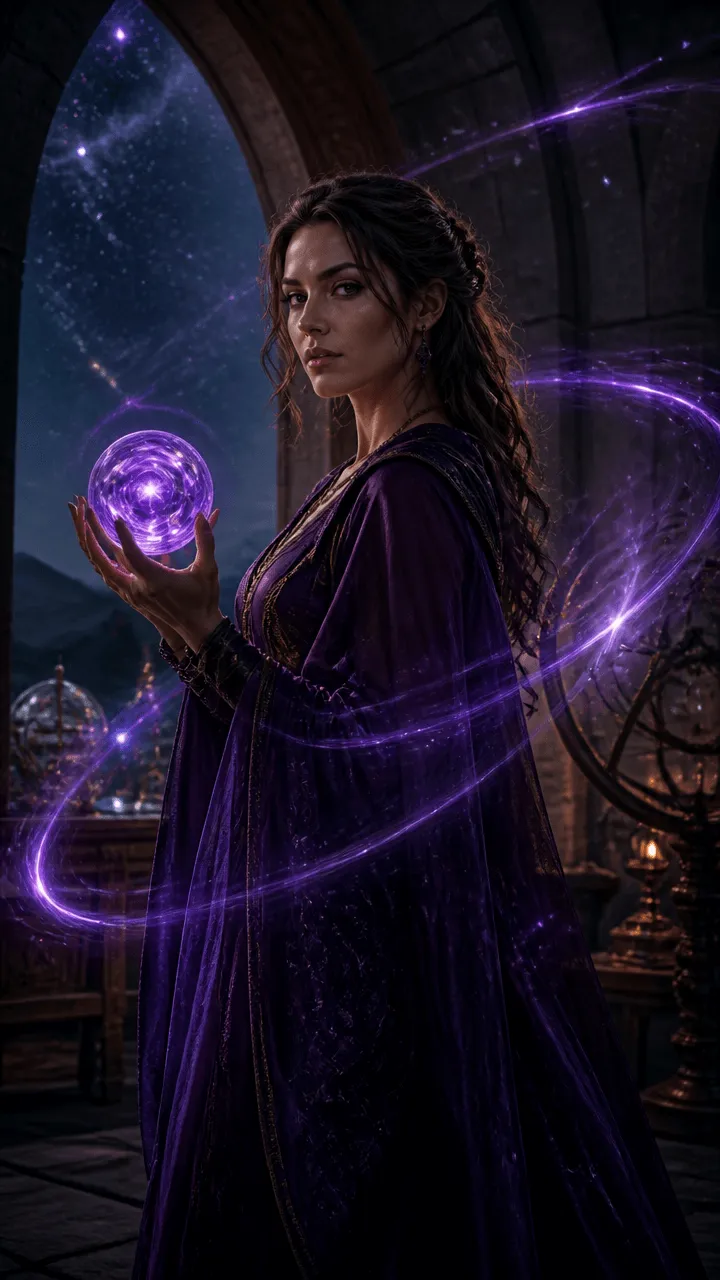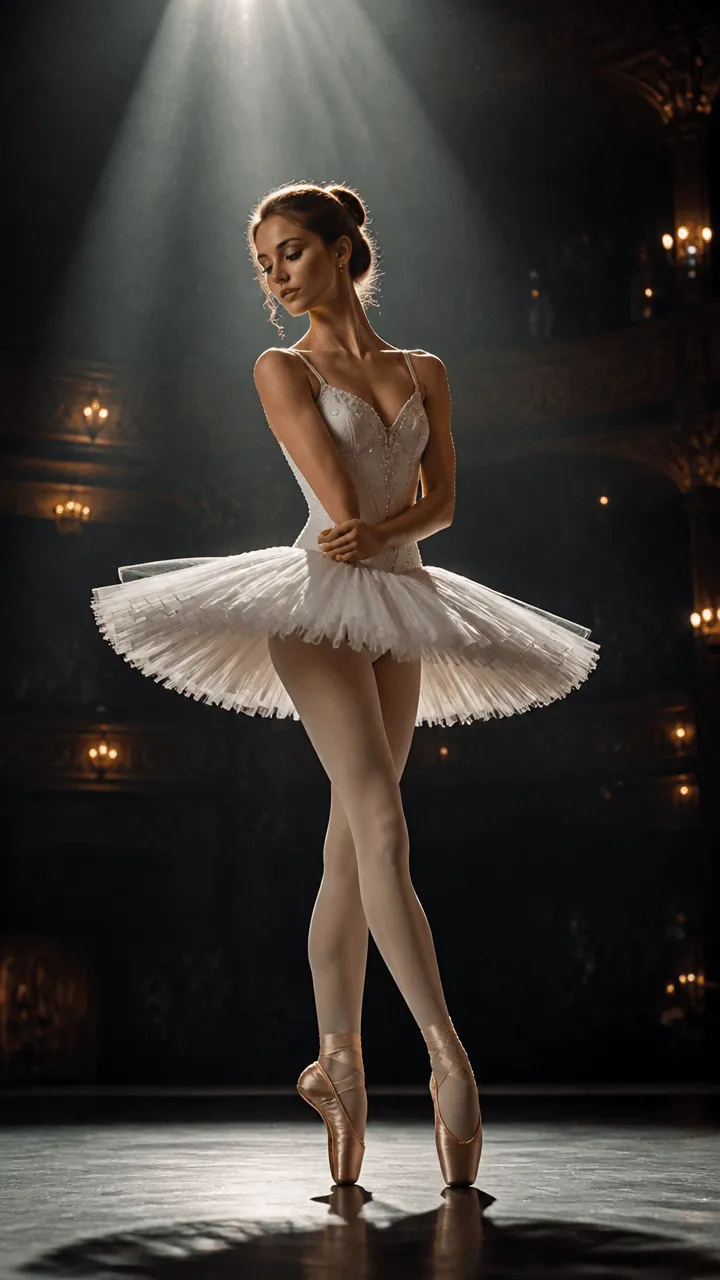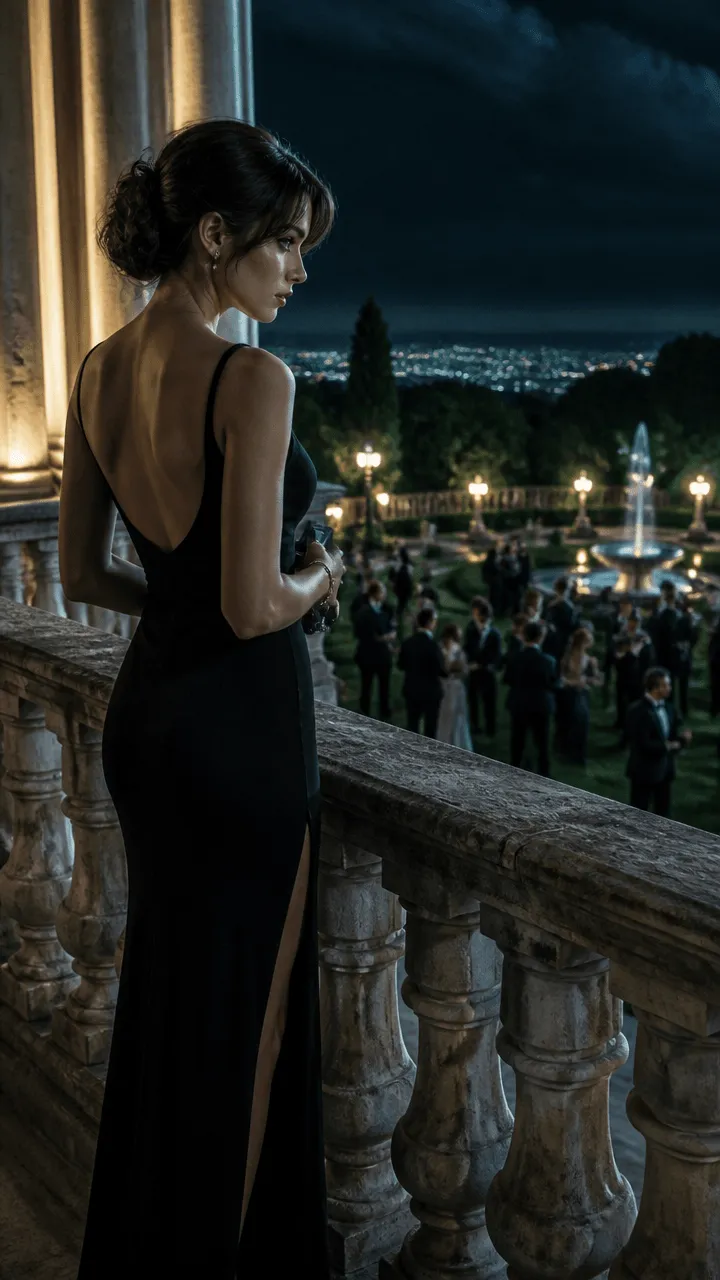
In September 2026, the traditional 40-page printed PDF pitch deck is officially obsolete in the film and video game financing sectors. Private equity investors, studio heads, and streaming giants like Netflix, Apple TV+, and Prime Video no longer evaluate scripts in an abstract vacuum: they now expect a 90-to-120-second Visual Proof of Concept (PoC) Trailer that proves aesthetic tone, world-building scale, and audience resonance upfront. What historically required test shoots costing $35,000 to $80,000 on physical soundstages with 20-person crews is now directed by solo creators utilizing multimodal video diffusion (ByteDance Seedance 2.0 IR2V, Alibaba Wan 3.0, and MiniMax H3) and cinematic sound design (with sub-bass Braams and neural foley) for under $90 in GPU credits.
Technical Definition: Generative AI Proof-of-Concept Trailer (AI Cinematic PoC)
A Generative AI Proof-of-Concept Trailer (AI Cinematic PoC) is a compact audiovisual work (typically 90 to 120 seconds) employing reference-conditioned spatio-temporal diffusion neural networks to materialize the visual grammar, dramatic tone, wardrobe, and world scale of a prospective feature film, series, or video game prior to greenlighting physical production. Unlike a static moodboard montage, a PoC trailer rigorously follows the classic 4-act Hollywood trailer architecture, featuring persistent biometric facial consistency, 35mm anamorphic optical behavior, and sub-bass orchestral impact sound design.
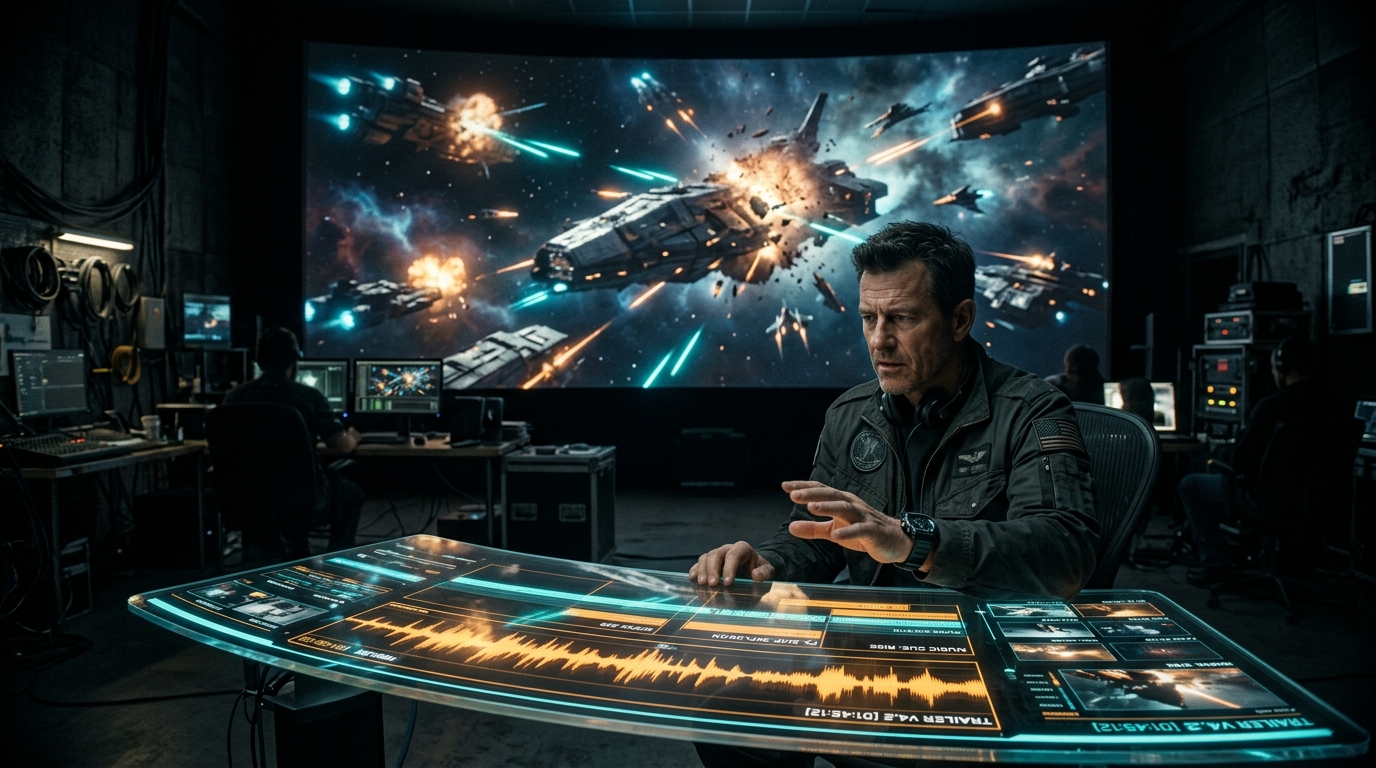
1. The Death of the 40-Page PDF Pitch Deck: Why Nobody Funds Unvisualized Ideas
For over three decades, the film financing process remained unchanged: write a 110-page screenplay, hire a designer to assemble a slick InDesign presentation deck with mood photos pulled from Pinterest, and spend months begging for meetings with acquisition executives.
The core problem? Decision-makers review hundreds of pitches every week. A static slide deck cannot convey the visceral momentum of an edit, atmospheric lighting, or the heart-stopping impact of an orchestral score. In 2026, with major initiatives actively funding the generative cinema renaissance — such as Runway’s The Hundred Film Fund (providing grants up to $1M per film) and Amazon’s GenAI Creators' Fund for Prime Video —, the threshold for consideration has fundamentally shifted:
- Investor Imagination Deficit: Financiers do not want to guess your lighting setup; they want to see it bouncing off the protagonist’s combat armor.
- Prohibitive Traditional Previz Costs: Building 3D animatics in Maya or Unreal Engine to simulate complex action scenes used to require $20,000 to $50,000 and months of specialized character rigging.
- The Speed of Executive Attention: A 2-minute cinematic teaser can be evaluated on a phone screen between airport gates. If your opening 5-second hook grips the viewer, the financing meeting is booked.
2. The 4-Act Hollywood Trailer Architecture That Sells Projects
The most frequent mistake novice creators make with AI is generating an incoherent montage of random spaceship explosions. Professional trailers obey a time-tested emotional score. In DXBuilder Story Lab, we engineer trailers using the classical 4-act Hollywood framework:
The Cold Open & Atmosphere (World-Building)
Expansive wide establishing shots moving slowly with a smooth forward push-in. Sets the era, atmospheric density, and rules of the world. Audio is dominated by low-frequency room drone, eerie environmental reverberation, and a single voiceover line establishing the existential stake.
The Inciting Incident & Escalating Conflict
Introducing the protagonist configured in Characters Studio. The central conflict emerges. Pacing tightens to 3-4 second cuts. The first thunderous orchestral hit marks the irreversible turning point.
The Acceleration Climax & Montage
Rapid-fire cuts every 1 to 1.5 seconds. Shocking visual contrast: macro close-ups of eyes, high-speed vehicle pursuits, volumetric fireballs, and energy discharges rhythmically locked to massive orchestral Braams and driving staccato strings.
Dynamic Silence, Micro-Twist & Title Reveal
Sudden cut to black with a total audio drop. Only the ragged breath of the hero or a faint metallic clock tick. A final chilling dialogue line or half-second visual revelation, punctuated by a deafening sub-bass impact revealing the film title in custom typography.
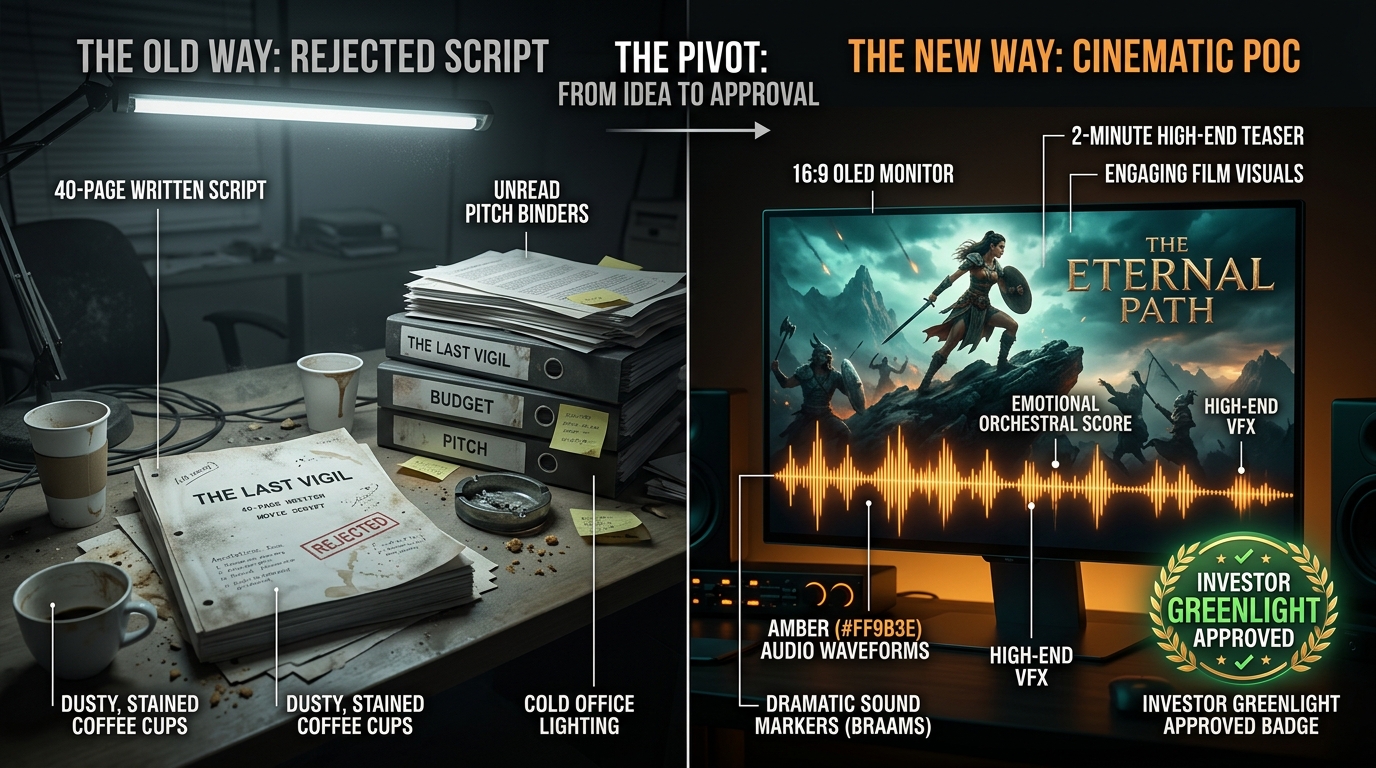
3. Comparative Breakdown: Live-Action Test Shoot vs. 3D Previz vs. Generative Pipeline on DXBuilder
Here are the real production numbers compiled directly from indie directors, VFX supervisors, and commercial agencies adopting this workflow:
| Production Metric | Live-Action Test Shoot | 3D Previz (Unreal / Maya) | AI Trailer (DXBuilder) |
|---|---|---|---|
| Average Budget (2-Min Teaser) | $35,000 – $80,000 | $20,000 – $50,000 | $50 – $100 (GPU render credits) |
| Turnaround Time to First Cut | 4 to 6 weeks (casting, stage booking) | 3 to 5 weeks (asset creation & rigging) | 4 to 8 hours (same-day delivery) |
| Required Crew Footprint | 18 to 30 on-set technicians | 3 to 6 specialized 3D animators | 1 solo creator / visionary director |
| Visual Scope & World Scale | Constrained by rental budget & location | Constrained by available 3D assets | Boundless (space armadas, alien ruins) |
| Post-Pitch Modification Agility | Virtually impossible without re-shooting | Slow (days of texture re-rendering) | Immediate (prompt adjust & re-generate in 60s) |
4. Hollywood's Secret Weapon: The Power of "Braams", Risers, and Dynamic Silence
An amateur teaser feels like background video with elevator music. A blockbuster trailer feels like a physical shockwave hitting your chest. The sound design principles used by editors on Christopher Nolan or Denis Villeneuve productions are rooted in acoustic psychoacoustics:
- What is a "Braam"? It is that metallic, guttural, low-brass blast made famous by Inception and Dune. It layers orchestral horns with synthesized sub-bass waves between 30Hz and 50Hz. In our Audio Studio, you can generate these iconic impact hits to anchor your key dramatic cuts.
- Tonal Risers: Continuous pitch-rising orchestral strings and filtered noise sweeps spanning 4 to 8 seconds. The human nervous system inherently interprets rising audio frequency as approaching danger, manufacturing physical adrenaline.
- The Power of the Vacuum (Dynamic Silence): Loudness only registers when contrasted with total absence. Cutting all sound for 1 second immediately preceding a cataclysmic explosion increases perceived loudness by over 10 decibels without digital clipping.

5. Three Production-Grade Prompt Formulas for Your Proof-of-Concept Teaser
To bypass generic AI aesthetics and achieve authentic cinematic texture, use these field-tested formulas directly within our engine:
Cinematic widescreen 16:9 master establishing plate for dystopian sci-fi trailer, colossal brutalist concrete monolith floating silently above a foggy stormy obsidian ocean, atmospheric amber (#FF9B3E) dusk horizon slicing through low dense volumetric clouds, moody cinematic lighting, anamorphic 35mm lens flares, shallow depth of field, Panavision C-series lens bokeh, ultra-detailed architectural textures, 8k photorealistic film still, no characters, clean frame --ar 16:9
Filipe's Pro Tip: Always generate the masterplate clean (no characters, clean frame). This gives the video diffusion model an uncorrupted lighting map to orbit through.
Cinematic high-octane action sequence shot for Hollywood thriller trailer, protagonist running desperately through a rain-slicked neon alleyway, dynamic tracking camera rushing low to the wet ground, dramatic amber rim lighting accentuating wet coat and facial intensity, water droplets spraying off boots in slow motion, natural motion blur, fast camera whip pan transition, 24fps cinematic shutter, 4k ultra-definition.
Filipe's Pro Tip: Including fast camera whip pan transition provides an organic editorial cut point directly into the next high-energy scene.
Cinematic extreme close-up portrait of the hero in dramatic trailer climax, weathered face covered in subtle dust and sweat, intense determined gaze locking directly into camera, warm amber firelight reflecting vividly in pupils, slow smooth camera micro-push, ultra-shallow depth of field with background falling into soft organic circles of confusion, ARRI Alexa 65 aesthetic, raw emotional gravity.
6. The End-to-End Workflow on DXBuilder: From Concept to 4K Master
We engineered DXBuilder specifically to empower independent directors, screenwriters, and game creators to bring massive cinematic worlds to life without studio gatekeepers. Here is the operational blueprint:
- Lock Protagonist Likeness in Characters: Build an anchor identity sheet in DXBuilder Characters, guaranteeing consistent facial bone structure across all 15 trailer takes.
- Generate Environment Masterplates: Create 4 to 5 widescreen 16:9 masterplates in the Image Studio using NanoBanana 2 to anchor your color temperature.
- Direct Takes in Story Lab & Video Studio: Sequence your shots in Story Lab or trigger our 1-click Trailer Presets to render multi-angle footage powered by Seedance 2.0 and Wan 3.0.
- Layer Foley, Braams, and Voiceover: Generate custom orchestral tracks in the Music Studio with Suno 5.5 and synthesize voiceover and signature Braams in the Audio Studio.
- Fair, Transparent Computing Plans: Explore flexible subscription tiers and on-demand GPU bundles on our Pricing Page.
7. Frequently Asked Questions (FAQ)
What is the optimal duration for an investor Proof-of-Concept trailer?
Between 90 and 120 seconds. Under 60 seconds is insufficient to develop the 4-act psychological arc; exceeding two minutes risks revealing too much plot and reducing narrative intrigue. The purpose of a pitch trailer is not to summarize the entire film, but to prove that the world is irresistible and ready for production.
How do I prevent protagonist face-morphing across 15 high-energy action shots?
By utilizing multi-reference image-to-video (IR2V) conditioning in DXBuilder. Once your character is locked in /characters, the diffusion engine freezes the cranial biometric landmarks while allowing lighting, sweat, and performance expression to evolve dynamically.
Do major studios and film festivals accept projects pitched via AI trailers?
Yes. As demonstrated across major industry markets in 2026, financiers evaluate directorial vision, emotional tone, and commercial viability. Generative AI is embraced as the ultimate rapid prototyping tool for modern filmmakers.
What is the actual compute cost to produce a complete 2-minute cinematic teaser?
A fully polished 2-minute teaser with 18 to 22 sequential takes, custom orchestral score, neural voiceover, and 4K masterplates typically costs between $50 and $100 in DXBuilder GPU credits — compared to the $40,000+ required for an equivalent physical test shoot.
Filipe Heitor
Founder & Product Architect • DXBuilder
For decades, visionary screenplays remained trapped in development hell because filmmakers couldn’t prove their aesthetic vision through words on paper alone. We created DXBuilder so that independent directors, writers, and game creators can see their stories on the big screen with Hollywood-grade visual impact. Your vision deserves to be brought to life.