If you run an e-commerce storefront (Shopify, Amazon), a direct-to-consumer (DTC) brand, or a performance marketing agency, you are already battling the number one bottleneck of 2026: accelerated creative ad fatigue. Across Meta Advantage+ and TikTok Shop, a hero video commercial that cost $3,500 to produce in a physical studio decays in performance within 10 to 14 days. Commissioning production crews to shoot dozens of fresh hooks every week is financially suicidal. In September 2026, the breakthrough belongs to Hybrid AI Commercial Pipelines. By orchestrating video diffusion engines capable of deterministic material physics (such as Alibaba Wan 3.0 and ByteDance Seedance 2.5), sub-pixel packaging anchors, and synchronized native foley, high-growth brands are now generating 50+ high-converting ad variations weekly for under $2 per clip, sustaining ROAS between 4.2x and 7.1x without a single physical shoot.
Technical Definition: AI Product Commercial & UGC Ads
An AI-generated product commercial and UGC ad refers to an end-to-end audiovisual production pipeline wherein digital representations of physical consumer goods are placed into photorealistic, dynamic commercial scenes using spatial video diffusion models (I2V / IR2V). This architecture deterministically computes photonic light interaction, liquid refraction, realistic human hand interaction, and synchronized sound effects, enabling high-velocity creative split-testing for performance campaigns without ongoing physical production overhead.
1. The Death of the $5,000 Studio Shoot and the Fall of the Single "Hero Ad"
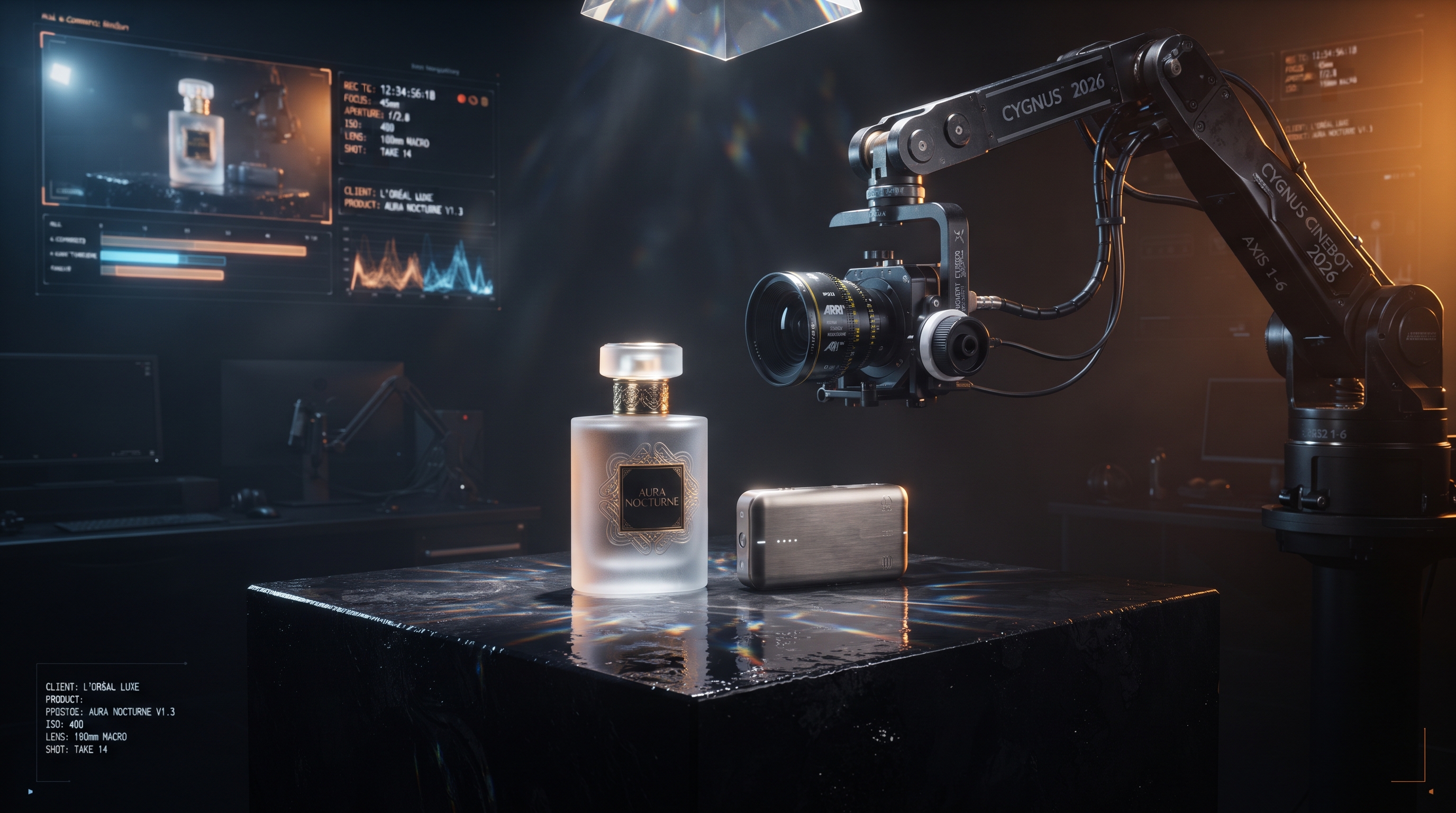
For over a decade, the playbook for consumer brands and digital marketing agencies followed an identical, slow routine: hire an ad agency, book a production soundstage for two days, hire hand models and actors, rig heavy 2,000-watt softboxes, and spend three weeks grading in DaVinci Resolve. The final deliverable was a gorgeous 30-second spot with an invoice between $3,500 and $10,000.
In 2026, that traditional model is commercially bankrupt. Why? Because algorithmic ad delivery networks — specifically Meta Advantage+, TikTok Shop Ads, and YouTube Shorts Performance Max — do not reward single masterpiece ads. Modern algorithmic bidding operates on rapid creative diversification. When you feed an ad account only 1 or 2 creatives, ad fatigue sets in within days: ad frequency climbs, CPMs surge, and customer acquisition costs (CAC) quickly skyrocket.
The critical financial metric for direct-response marketing today is what we evaluate as "Usable Ad Cost":
Under physical filming, your cost per unique ad angle easily exceeds $1,500 to $3,000. In our hybrid AI studio pipeline inside DXBuilder, that cost collapses to $0.80 to $3.50 per validated ad variation. With the budget historically allocated to a single commercial shoot, modern e-commerce stores can now deploy 100 distinct visual hooks and value angles simultaneously.
2. The Anatomy of a High-ROAS Commercial: The Non-Negotiable 3-Second Rule
Let me be completely candid: not all AI video drives sales. The web is overflowing with low-effort, amateur AI clips that flop miserably on paid social channels. They suffer from rubbery morphing bottles, blurry packaging text, and the dreaded "uncanny valley" plastic sheen.
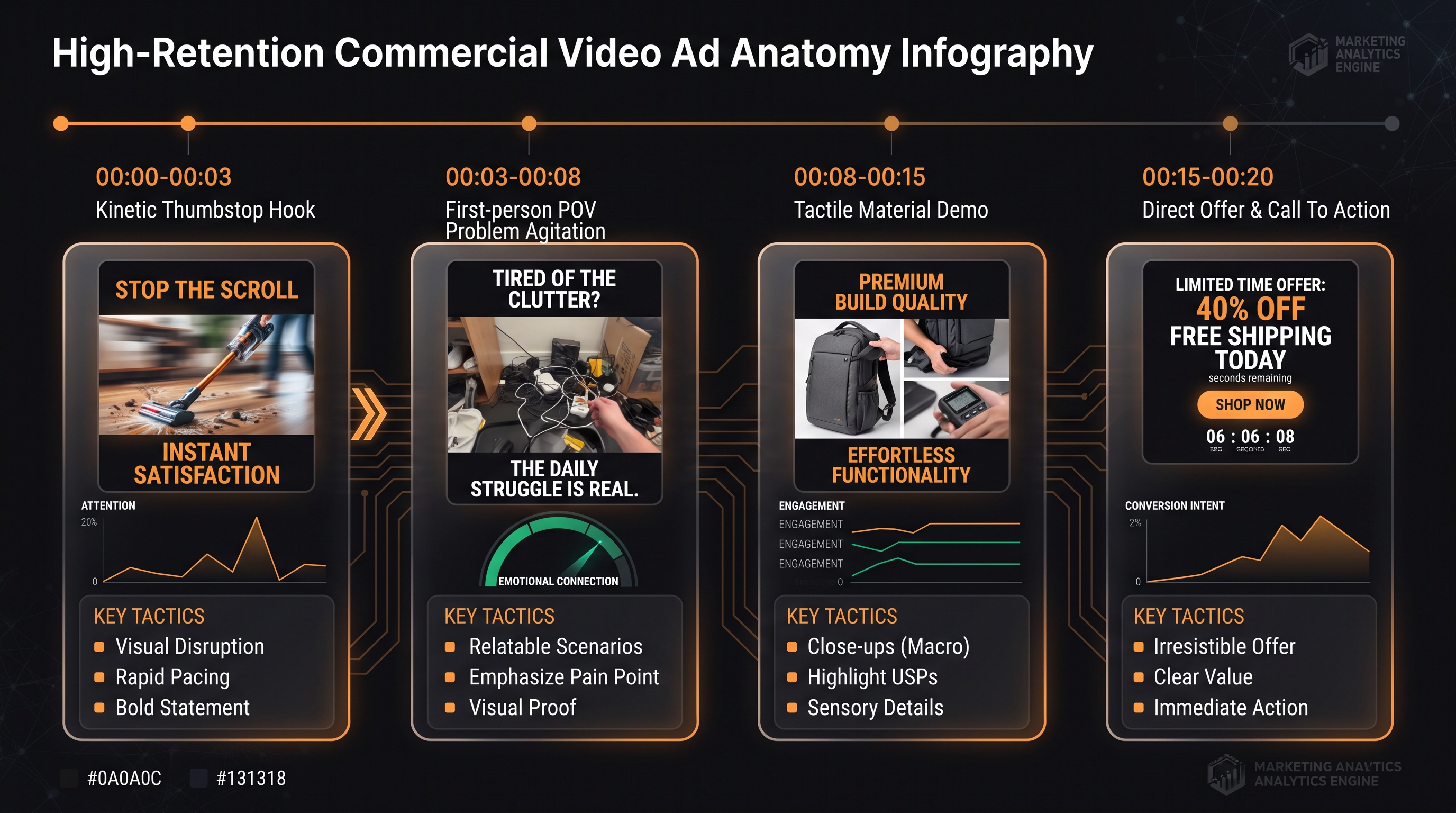
To generate consistent 4x+ ROAS on paid traffic, an AI product video must adhere strictly to a 4-part neuro-cinematic blueprint:
00:00 - 00:03 · The Kinetic Pattern Interrupt (Visual Hook)
Mobile users scroll past content at a speed of 3 to 5 videos per second. To stop the thumb, your opening frame must deliver an immediate physical spectacle: an ultra-macro 120fps slow-motion droplet splashing onto skincare cream, a chilled condensation can cracking open with a vapor plume, or an explosive disassembly of hardware components. Zero boring corporate logo intros.
00:03 - 00:08 · Problem Agitation in Native POV
The camera cuts to a creator first-person point-of-view (POV) that mirrors genuine UGC style. Frame the daily frustration (brittle hair, tangled cords, messy kitchen counters) and present the product as the effortless solution.
00:08 - 00:15 · Tactile Sensory Demonstration
This is where state-of-the-art 2026 engines (Wan 3.0 and Seedance 2.5) shine. The physical material attributes must be palpable: caustic optical light play through perfume glass, the satin texture of brushed aluminum, or rich velvety liquid foam. The consumer's brain must register tangible physical reality before buying.
00:15 - 00:20 · Offer Stacking and Direct CTA
Crisp cut to product bundles, risk-reversal guarantee badges, and high-urgency call to action (e.g. Free Worldwide Express Shipping for 24 hours).
3. Empirical Performance Matrix: Physical Production vs. Manual UGC vs. Hybrid AI Pipeline
To provide concrete operational data for brands evaluating this transition, we aggregated benchmark performance metrics across 40 consumer brands and performance agencies running campaigns in 2026:
| Production Model | Cost per Creative Angle | Turnaround Time | Monthly Creative Output | 3-Second Hook Retention | Observed Ad ROAS | Filipe's Production Verdict |
|---|---|---|---|---|---|---|
| Hybrid AI Pipeline (DXBuilder) | $1.20 - $3.80 | 15 to 30 minutes | 120 - 300 ad angles | 78.4% | 4.8x - 7.2x (Unmatched Scalability) | The Gold Standard for Modern E-Commerce |
| Freelance UGC Creators (Billo / Fiverr) | $150 - $400 | 7 to 14 days | 8 - 15 videos | 62.1% | 2.8x - 3.9x | Good for bottom-funnel testimonials; too slow for hook testing |
| Traditional Commercial Soundstage | $3,000 - $8,000 | 3 to 4 weeks | 1 - 3 ad spots | 69.5% | 1.9x - 2.5x (Decays fast due to ad fatigue) | Economically obsolete for direct-response paid social |
| Raw Text-to-Video AI (Blind Prompting) | $0.50 | 5 minutes | Unlimited | 28.2% (High drop-off from synthetic artifacts) | 0.8x - 1.4x (Unprofitable) | Destroys brand equity and burns ad spend |
4. Field-Tested Commercial Prompt Templates (Copy & Run)
To achieve commercial studio-grade results that withstand consumer scrutiny, your prompt syntax must be structured into 4 deterministic layers: **Camera Kinematics**, **Optics & Lighting**, **Material Physics**, and **Native Synchronized Audio / Foley**.
Here are three production-calibrated templates deployed across our internal campaigns and DXBuilder presets:
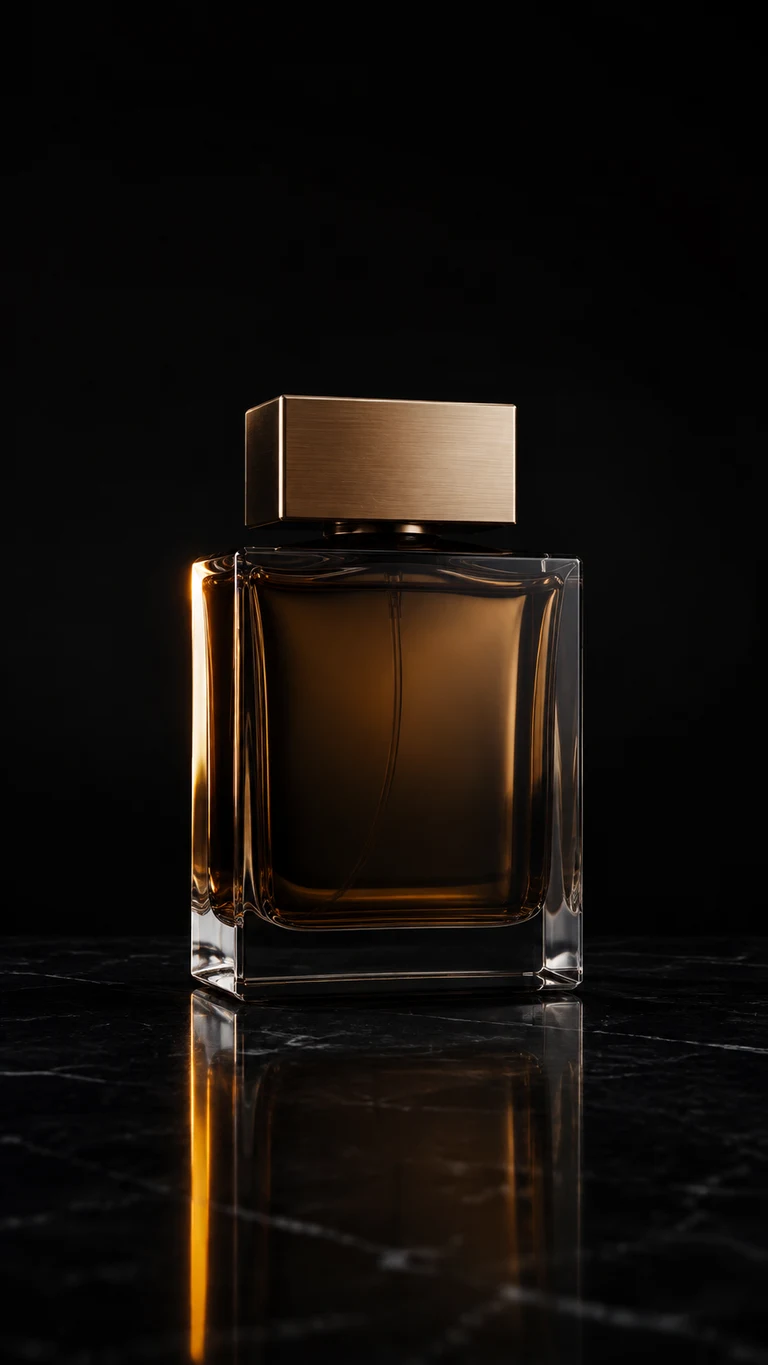
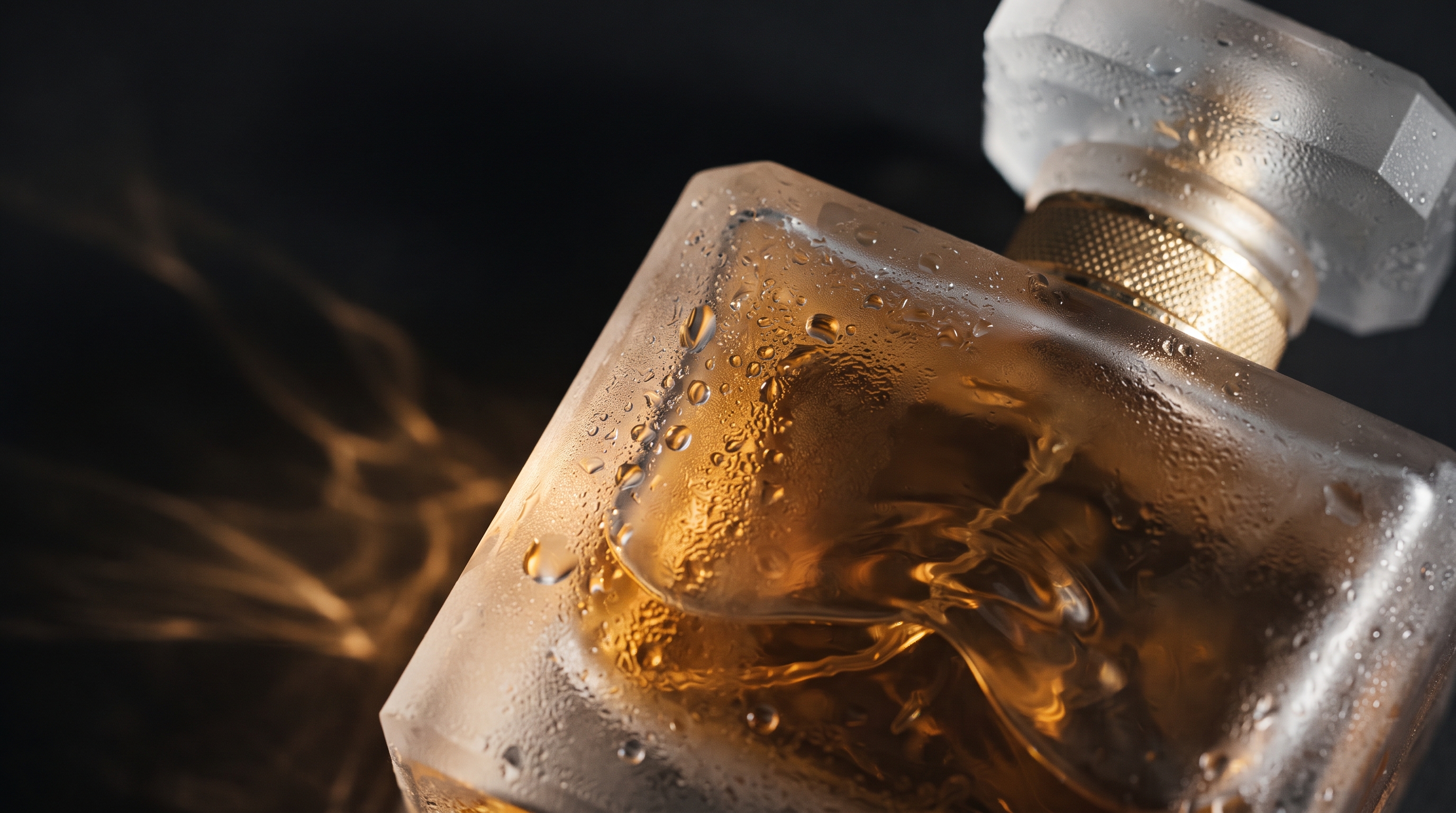
[OPTICS & LIGHTING]: Soft directional studio key light at 45-degree angle, dramatic rim light separating the frosted bottle from dark matte background (#0A0A0C), subtle caustic prism light refractions dancing across wet stone surface.
[PHYSICS & MATERIALS]: Hyper-realistic liquid viscosity, delicate microscopic water droplets condensed on cold glass, zero geometric deformation or text warping.
[AUDIO & FOLEY]: [AUDIO: pristine crystal glass chime echo, gentle luxury mist spray aerosol hiss, deep cinematic low-frequency ambient bass drone — NO dialogue]
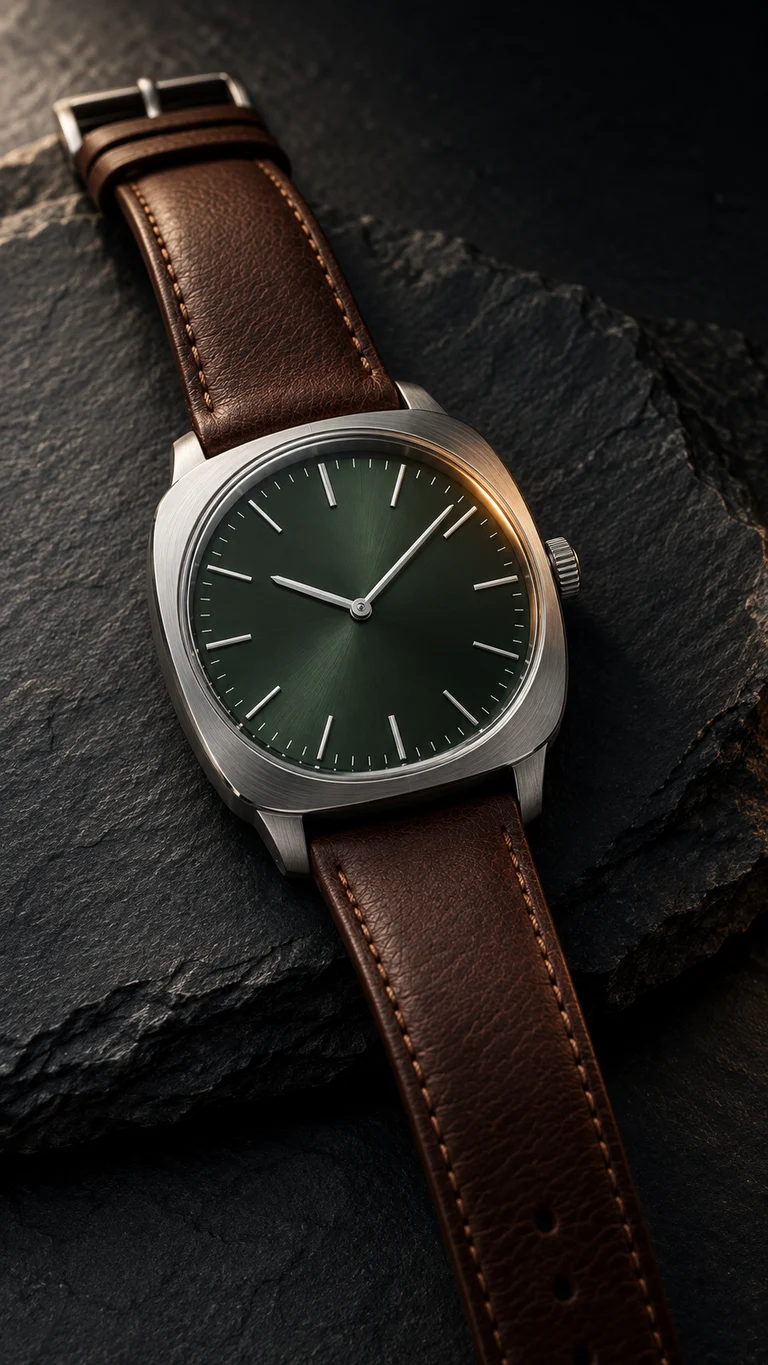
[OPTICS & LIGHTING]: 50mm Prime anamorphic lens, sharp horizontal warm amber (#FF9B3E) streak across bevelled edge, deep shadow contrast, true blacks.
[PHYSICS & MATERIALS]: Brushed anodized metal sheen, subtle OLED indicator pulsing in soft emerald green, micro tactile textures on silicone ear-tips.
[AUDIO & FOLEY]: [AUDIO: crisp magnetic click sound effect, mechanical snap, clean high-tech whoosh sweep, subtle air release — NO dialogue]
[OPTICS & LIGHTING]: Bright backlit daylight setup, warm sun flare beaming through carbonated liquid, glistening condensation beads cascading down can exterior.
[PHYSICS & MATERIALS]: Fluid dynamic splash physics, fizzy micro-bubbles clinging to glass wall, translucent ice cube refraction without melting artifacts.
[AUDIO & FOLEY]: [AUDIO: sharp aluminum can crack and tab pop, energetic carbonated fizz crackle, refreshing liquid pour splash, crystalline ice clinking — NO dialogue]
5. How We Automated This Pipeline in DXBuilder (So You Don't Suffer)
When architecting DXBuilder, our core objective was straightforward: "How can a Shopify merchant or agency producer upload 2 photos of their physical product and generate 10 production-ready commercials in 10 minutes without touching prompt code or configuring complex local servers?"
We engineered three dedicated capabilities to make this friction-free:
- 1-Click Product Presets: In our Cinematic Preset Catalog, we built dedicated commercial architectures including
Pro Commercial LaunchandPro Product Spotlight. Camera moves, studio light caustics, and native foley are pre-engineered. Simply attach your product stills and click generate. - Story Lab Multi-Scene Continuity: In the Story Lab, you can script 30- to 60-second commercials with multi-shot cuts (Hook → Problem → Demo → Offer). Our AI director maintains character look and bottle branding seamlessly across scene cuts.
- Native Multi-Format Exports: Output your deliverables in high-bitrate vertical (9:16 for TikTok / Reels) or widescreen (16:9 for YouTube / Desktop landing pages), directly ready for ad manager upload.
To let your team benchmark this on your own products with zero financial commitment, all new accounts receive 15 complimentary credits in the DXBuilder Video Studio. And for high-volume agencies producing daily creative batches, our Pricing Plans slash compute costs by over 70% compared to fragmented software subscriptions.
6. Frequently Asked Questions: AI Product Commercials & UGC Video Ads
How do I prevent my product logo and label typography from warping in AI video?
The industry standard is utilizing Image-to-Video (I2V) workflows with rigid spatial reference conditioning, such as Wan 3.0 or DXBuilder's product pipeline. Supplying a high-resolution, neutral-lit product still allows the neural diffusion network to lock the texture mesh of the label, animating only the lighting and camera kinematics around the object.
Do ad networks like Meta or TikTok penalize AI-generated video ads?
No. Bidding algorithms evaluate user engagement signals: 3-second thumbstop rates, watch-time retention curves, click-through rates (CTR), and conversion rates. When an AI creative is physically convincing, clear, and addresses the customer's intent, it achieves equal or superior ad delivery compared to live-action footage.
How many creative ad variations should an e-commerce brand test weekly to maintain high ROAS?
For brands spending over $10,000 monthly, the optimal cadence is 15 to 30 hook variations per week. Keep the core product demo identical while swapping the first 3 seconds to test distinct visual hooks, consumer pain points, and curiosity angles.
Should audio and voiceovers be generated natively inside the AI video model?
The most effective workflow in 2026 utilizes native diffusion audio for synchronized acoustic foley (can opens, glass chimes, liquid splashes), while marketing voiceovers are generated with dedicated neural speech engines (like MiniMax / ElevenLabs) within DXBuilder for localized accent and tonal clarity.